
Table of Contents
- Introduction
- Meet the Expert: Lee Densmer
- Global Content Adaptation: The Real Story
- The Role of Translation, Transcreation, and Localization [Timestamp: 35:05]
- Essential Tools and Resources [Timestamp: 48:30]
- Key Takeaways: 5 Tips for Using AI Effectively
- Conclusion
- Key Quotes from Lee Densmer
Episode 8 Video Chapters
- Chapter 1: The Importance of a Global Mindset [Timestamp: 05:15]
- Chapter 2: Nuances in Language and Culture [Timestamp: 12:40]
- Chapter 3: Leveraging AI for Global Marketing [Timestamp: 23:11]
Introduction
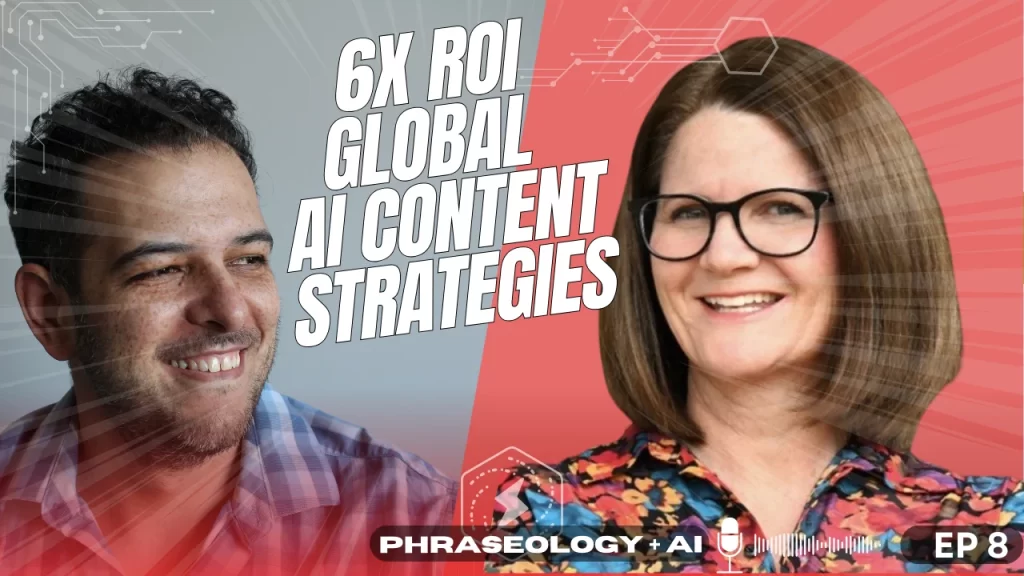
In Episode 08 of “The PhraSEOlogy + AI Show,” we delve into the complex and diverse world of global content adaptation. Hosted by Filipe Santos, the episode features a rich and insightful conversation with Lee Densmer, a veteran content strategist with 23 years of experience in the translation industry. This blog post chronicles the episode, highlighting key moments, actionable tips, and essential tools for anyone looking to harness the power of AI for global content creation.
Meet the Expert: Lee Densmer
Our guest, Lee Densmer, brings a wealth of knowledge to the table, having spent decades refining her expertise in global content strategy. With a deep understanding of how cultural nuances impact communication and a pragmatic approach to utilizing AI, Lee shares invaluable tips for businesses aiming to increase ROI by correctly leveraging global content.
Global Content Adaptation: The Real Story
Chapter 1: The Importance of a Global Mindset
[Timestamp 05:15]
From the outset, Lee emphasizes the importance of a global mindset when creating content. She argues that understanding the diverse landscape of potential markets is crucial. As she eloquently puts it, “You can’t just translate a piece of content and expect it to resonate across different cultures. It requires an understanding of each market’s unique values and preferences.”
Chapter 2: Nuances in Language and Culture
[Timestamp 12:40]
Lee dives into the subtleties of language and cultural preferences, discussing how aspects like color, design, and social etiquette differ vastly across regions. She highlights a critical point: “It’s not just about words; it’s about context. What’s funny in one culture might be offensive in another.”
Chapter 3: Leveraging AI for Global Marketing
[Timestamp 23:11]
When discussing AI’s role, Lee is realistic yet optimistic. She points out that while AI can handle vast amounts of data and offer initial translations, human review is indispensable. Lee states, “AI is incredible for research and automation, but it doesn’t understand cultural subtleties the way a human does.”
The Role of Translation, Transcreation, and Localization
[Timestamp 35:05]
Filipe and Lee explore the distinctions between translation, transcreation, and localization, stressing how these elements play different roles in global content strategy. Lee notes, “Translation is just the tip of the iceberg. Without transcreation and localization, your content might miss the mark entirely.
Essential Tools and Resources
[Timestamp 48:30]
Lee and Filipe discuss various AI research tools, such as Chat GPT, Perplexity, and Meta’s new Llama, which can aid in global content creation. They also touch on the necessity of high-quality language service providers for professional adaptations.
Lee recommends:
- Nimdzi: A resource for software localization.
- Natalie Kelly’s Book: A guide to taking content globally.
Key Takeaways: 5 Tips for Using AI Effectively
Tip 1: Start with a Global Mindset from the Beginning
Lee advises that businesses, especially startups, should consider global implications from the get-go. Understand the cultural, linguistic, and social nuances of your target markets to avoid costly mistakes later.
Quick Tip: "Be globally aware and savvy from day one. Your future self will thank you."Tip 2: Use AI as a Complement, Not a Replacement
AI technology should augment human efforts, not replace them. Lee emphasizes the need for a human touch in refining AI-generated content, ensuring it aligns with cultural contexts.
Quick Tip: "AI is a powerful tool, but it's vital to have human oversight to validate and adapt AI outputs."Tip 3: Leverage Technology for Research and Workflow Automation
AI can handle repetitive tasks and provide valuable insights that free up human creatives to focus on strategy and creativity. Tools like Chat GPT and language models are particularly effective for multilingual SEO research.
Quick Tip: "Use AI for what it’s good at—data processing and initial drafting—then inject human creativity and strategy."Tip 4: Understand the Real Cost of Global Content Adaptation
Lee stresses the importance of recognizing the time, cost, and effort of adapting content for global markets. Engage language service providers for high-quality localization and avoid the pitfalls of poor translations.
Quick Tip: "Adapting content is not just a financial investment; it's a cultural one. Plan accordingly."Tip 5: Build and Maintain a Knowledgeable Team
Continuous upskilling is essential in an ever-evolving digital landscape. To stay ahead of the curve, keep your team updated on the latest AI tools and cultural trends.
Quick Tip: "Invest in training and resources to keep your team on the cutting edge of technology and cultural competence."Conclusion
Navigating the world of global content adaptation is no small feat, but businesses can scale new heights with the right mindset, tools, and strategies. Episode 08 of “The PhraSEOlogy + AI Show” with Lee Densmer provides a comprehensive guide, offering practical advice and strategic insights. By focusing on cultural nuances, leveraging AI responsibly, and committing to continuous learning, businesses can expand their global reach and connect meaningfully with diverse audiences.
Remember to stay informed, stay curious, and always strive to understand the world just a bit better.
Key Quotes from Lee Densmer
- “You can’t just translate a piece of content and expect it to resonate across different cultures. It requires an understanding of each market’s unique values and preferences.” [Timestamp: 05:15]
- “It’s not just about words; it’s about context. What’s funny in one culture might be offensive in another.” [Timestamp: 12:40]
- “AI is incredible for research and automation, but it doesn’t understand cultural subtleties the way a human does.” [Timestamp: 23:11]
- “Translation is just the tip of the iceberg. Without transcreation and localization, your content might miss the mark entirely.” [Timestamp: 35:05]
Connect with the experts and stay tuned for more actionable insights on global content strategy and AI integration.
For more information and updates, subscribe to our email list and leave a review!